I. In - depth Maintenance of the Heat Dissipation System
Radiator Cleaning and Protection
After daily operations, use a low - pressure water gun to flush the surface of the radiator to remove accumulated dust, catkins, and oil stains (oil stains will adhere to dust to form a heat - insulating layer, reducing the heat dissipation efficiency by 30%).
Check whether the water tank hoses are aged and cracked. If leakage is found, replace them immediately to avoid insufficient coolant leading to engine overheating and cylinder scuffing.
Coolant and Fan Management
Use antifreeze instead of clean water (antifreeze has both anti - corrosion and boiling point - increasing functions, which can extend the service life of the water tank by 2 - 3 years).
Check the tension of the fan drive belt every 500 hours. A loose belt will cause insufficient fan speed and a 40% decrease in cooling efficiency.
II. Precise Control of the Fluid System
Engine Oil and Hydraulic Oil
Under high temperatures, the viscosity of engine oil decreases. It is necessary to select engine oil with a viscosity grade of 15W - 40 or higher. Sample and test the impurity content every 200 hours to avoid lubrication failure and cylinder scuffing.
The cleanliness of hydraulic oil should be kept below NAS 8 level. Sediments at the bottom of the oil tank need to be thoroughly cleaned, and the oil level should be controlled at the midline of the observation window (excessive oil will cause the oil temperature to rise by 5 - 8℃).
Maintenance of the Transmission and Torque Converter
When the transmission oil temperature exceeds 110℃, stop the machine immediately and check the pressure of the variable - speed pump (standard value 1.2 - 1.5MPa) and whether the filter screen is blocked.
Replace the torque converter fluid every 1000 hours and use AF8 special hydraulic oil to avoid a decrease in transmission efficiency due to oil deterioration.
III. Protection of the Tire and Braking System
Tire Temperature and Pressure Control
The tire pressure should be reduced by 5 - 10% compared to the standard value (for example, if the standard is 0.35MPa, adjust it to 0.32MPa) to avoid tire blowout at high temperatures.
When the brake disc temperature exceeds 150℃, stop the vehicle to cool naturally (it is forbidden to douse with cold water to prevent the piston dust seal from deforming).
Braking Performance Detection
Check the drain valve of the air reservoir every week to remove accumulated water and prevent rusting of the brake pipeline.
Enable the auxiliary brake on long downhill sections to avoid continuous braking causing overheating and failure of the brake hub.
IV. Protection of the Circuit and Hydraulic System
Prevention of Line Aging
Check the oxides on the battery terminals, sand and polish them, and then apply vaseline to prevent oxidation.
It is forbidden to store flammable items (such as lighters, perfume) in areas exposed to high - temperature sunlight. The fire extinguisher should be placed in a cool place outside the cab.
Cooling Measures for the Hydraulic System
Install a radiator in the return oil pipeline to forcibly reduce the oil temperature by 3 - 5℃.
The surface of the hydraulic oil radiator should be kept ventilated to avoid being blocked by debris and reducing the heat dissipation efficiency.
V. Operation Specifications in High - Temperature Environments
Operation Time Planning
Avoid the high - temperature period from 11:00 to 15:00 and prioritize operations in the morning and evening, which can reduce the engine load by 15% - 20%.
Shutdown Cooling Process
Before a long - term shutdown, idle for 10 minutes until the water temperature drops below 80℃ before turning off the engine.
Install sunshade curtains in the cab (aluminum foil material with a reflectivity of > 90% is recommended) to reduce the temperature rise of the instrument panel due to sunlight exposure.
Summary
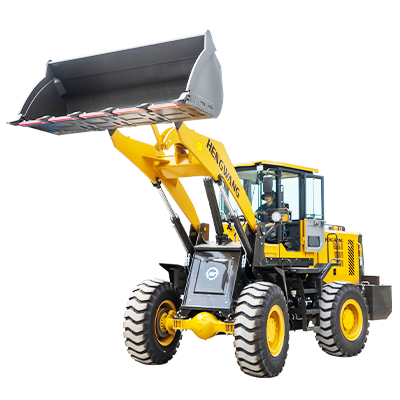
The maintenance of loaders in summer needs to build a three - level system of "prevention - monitoring - emergency". It is recommended to establish an equipment health file, record key data such as daily oil temperature and tire pressure, and combine with an intelligent monitoring system (such as installing fluid sensors) to achieve predictive maintenance. Through scientific management, the equipment failure rate can be reduced by 40%, and the overhaul cycle can be extended to more than 8000 hours.